Urbanization: Designing Cities of the Future
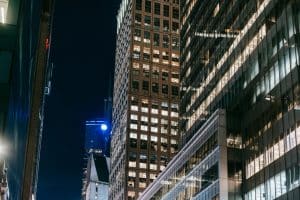
As our world becomes more urbanized, the task of designing cities of the future becomes increasingly important. With more than half of the world’s population now living in cities, urbanization has become a defining feature of the 21st century. However, the rapid growth of cities has brought about numerous challenges and has sparked a global conversation about the form, function, and sustainability of urban spaces. In this article, we will delve into the concept of urbanization and explore ways in which we can design cities that meet the needs of their inhabitants while also promoting a better quality of life for all.
What is Urbanization?
Urbanization is the process of transforming a predominantly rural or natural environment into an urban one. This involves the physical, social, and economic growth of cities, as well as the increase in population and infrastructure within urban areas. The United Nations defines urbanization as the “increasing proportion of the population living in urban areas, a trend that is most pronounced in the developing world.”
While urbanization can bring about opportunities and progress, it also poses significant challenges. The rapid growth of cities can lead to problems such as overcrowding, pollution, and inadequate infrastructure. Therefore, effective urban planning and design must be a priority to create sustainable and livable cities.
Designing Cities of the Future
The design of a city impacts the quality of life and well-being of its residents. As cities continue to grow, it is crucial to consider how we can design urban spaces that promote sustainability, accessibility, and inclusivity.
Promoting Sustainability
Sustainability is a key consideration in the design of cities of the future. As urbanization puts a strain on resources and generates a significant amount of greenhouse gas emissions, sustainable design becomes crucial to ensuring a better quality of life for both current and future generations. One way to promote sustainability is through the use of green infrastructure, which involves integrating natural elements, such as parks, green roofs, and urban forests, into the built environment.
Ensuring Accessibility
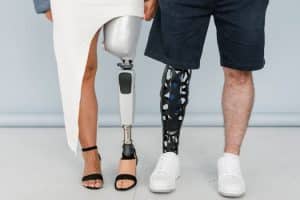
Inclusivity and accessibility are essential for successful urban planning. Cities must be designed with the needs of all individuals in mind, including those with disabilities and the elderly. This can be achieved by providing accessible public spaces and buildings, implementing universal design principles, and promoting walkability and public transportation.
Fostering Community
Cities should be designed to foster a sense of community and social connectedness. The design should encourage social interactions and promote a sense of belonging among its inhabitants. This can be achieved by creating mixed-use areas with residential, commercial, and recreational spaces to decrease commute times and foster a vibrant community atmosphere.
The Role of Technology
Technology plays a significant role in shaping cities of the future. With the rise of smart cities, technology can be utilized to increase efficiency and improve the quality of life for urban dwellers. For instance, the use of sensors to monitor air quality and traffic can help reduce pollution and improve transportation systems. Additionally, technology can also facilitate community engagement and participation in urban design and planning processes.
Conclusion
Urbanization is a complex phenomenon that requires careful consideration and planning to create sustainable and livable cities. As we continue to design cities of the future, it is crucial to prioritize sustainability, accessibility, and community building. With the right approach and the use of technology, we can create cities that not only meet the needs and desires of their inhabitants but also ensure a better future for generations to come.